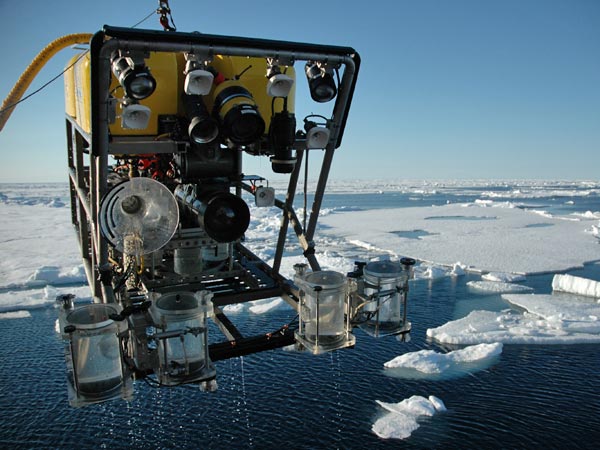
SITUATION
The MATES ROV Competition takes place in a chlorine pool and requires ROVs to “Resurrect HUGO”, collect samples of a new species of crustacean, sample a new vent site, and collect a sample of a bacteria mat in the fastest time possible. Competitors must complete these tasks with an ROV equipped with cameras, lights, a hydrophone, and a claw. The controlling team member has to control the ROV through the use of the camera; he or she cannot see their ROV during the competition. The ROVs use power through a 12 volt 25 amp car battery. The electrical engineer must wire the controls and motors.
A pool much like the one where the competition will be held


A Crustacean Photo by NOAA
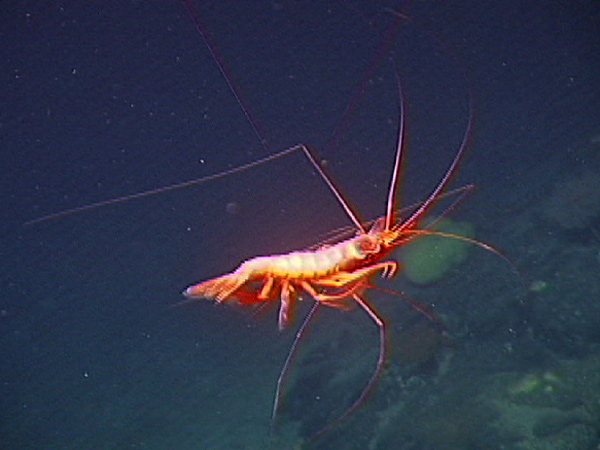 Photo by NOAA
An under water volcano

Agar, the "bacteria sample"

Team Effort
Teams consist of an electrical engineer, hull engineer, and a mechanical extension engineer. The electrical engineer wires the ROV and controls it during the competition. The hull engineer designs and builds the housing of the electrical components and the structure of the ROV. The mechanical extension engineer design and builds a claw that is capable of completing the required tasks.

Powersource that the ROV will use

Hull of a simlpe ROV
 Allen Vanguard "Defender"
Robotic claw

The Tau Beta Pi ROV in action at the 2008 MATE ROV Competition
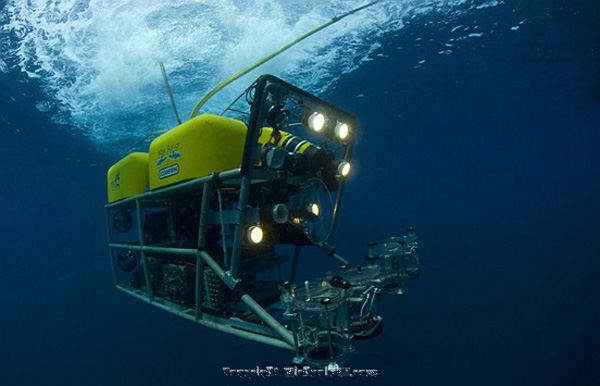
NOAA ROV
WHY IS THIS PROJECT IMPORTANT?
The MATES ROV Competition is an entry level opportunity for high school students to explore the world of robotics. Having to design and build a functioning ROV with a small group forces each student out of the common comfort zone and into the real world where students must interact with professionals in order to successfully grasp the tasks at hand. The MATES ROV competition is a chance to tryout the field of deep sea exploration, allowing students a hands on experience in a possible future career choice.
A previous competitor at the Competition

Hands on electical learning. Photo by Corbis Cooperation
 Photo by Corbis Cooperation
Cabrillo High School Aquarium ROV

Outland Tech "Outland 1000"

Sub Sea Sampling

PROJECT MOOD
To successfully design, build, and contend in the ROV project, the team needs to be focused. The competition must be conducted as a business with each member ultimately responsible for their own portions of the ROV. Regular team meetings will ensure cohesiveness and allow optimum quality of the final product.

 Man presenting at business meeting
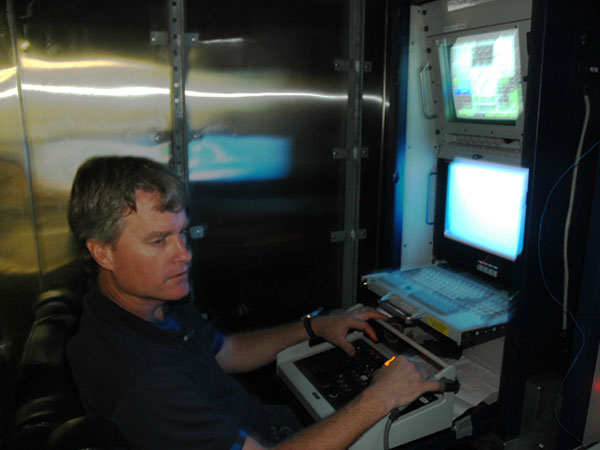
At the controls of an ROV

ROVs IN USE TODAY
Today’s problems call for the use of ROVs. The military uses ROVs to disarm bombs and mines safely without risking soldiers’ lives. ROVs are used to explore deep sea and deep space because they can go where humans cannot. Scientist use ROVs to perform different tests and take different sample. ROV versatility is endless. The most recent use of ROVs comes from deep sea repair when oil pipes ruptured. The ability to extend where humans cannot reach is an asset to knowledge.
A military ROV

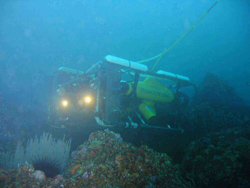
Deep Sea ROV
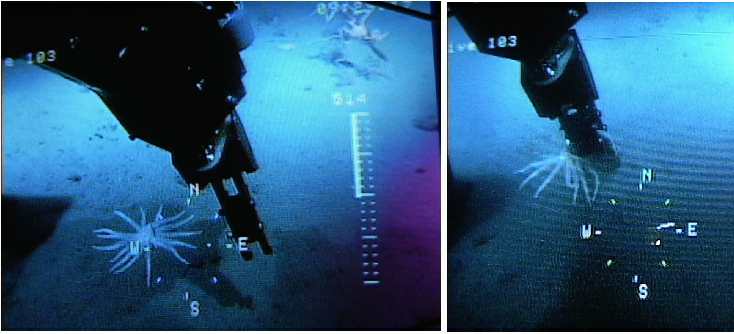
ROV Manipulator at work
Smithsonian
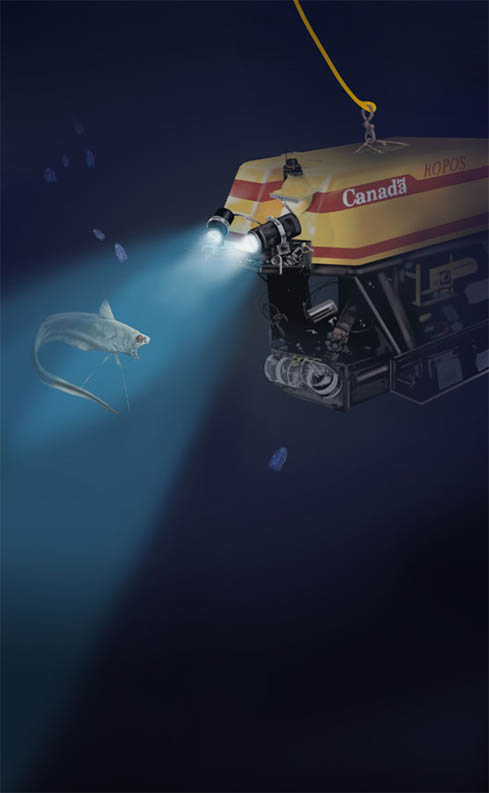
Photo by NOAA